

Editor's Note: Unless otherwise noted, all forward-looking cash flow and valuation figures in this report are based on GP Capital's internal models, not company guidance.
Chapter 1: The Race to the Bottom – How Indonesia Redrew the Nickel Map
To understand the structural crossroads the nickel market faces in June 2026, one must first look backward at how a single nation fundamentally broke, rearranged, and dominated the global supply curve over the past decade.
Historically, the global nickel market was a relatively predictable, capital-intensive ecosystem. Supply was anchored by Class 1 nickel sourced from high-grade sulphide deposits found in politically stable jurisdictions like Sudbury, Canada, Western Australia, and parts of Siberia. These sulphide ores were highly valued because they were metallurgically cleaner, meaning they could be refined into high-purity nickel pellets and powder with relatively low chemical complexity; making them ideal for specialized alloys and, eventually, EV batteries.
However, the cost architecture of global mining changed forever when Indonesia unleashed its massive, shallow reserves of laterite ore.
The Technological Leap: Sulphide vs. Laterite
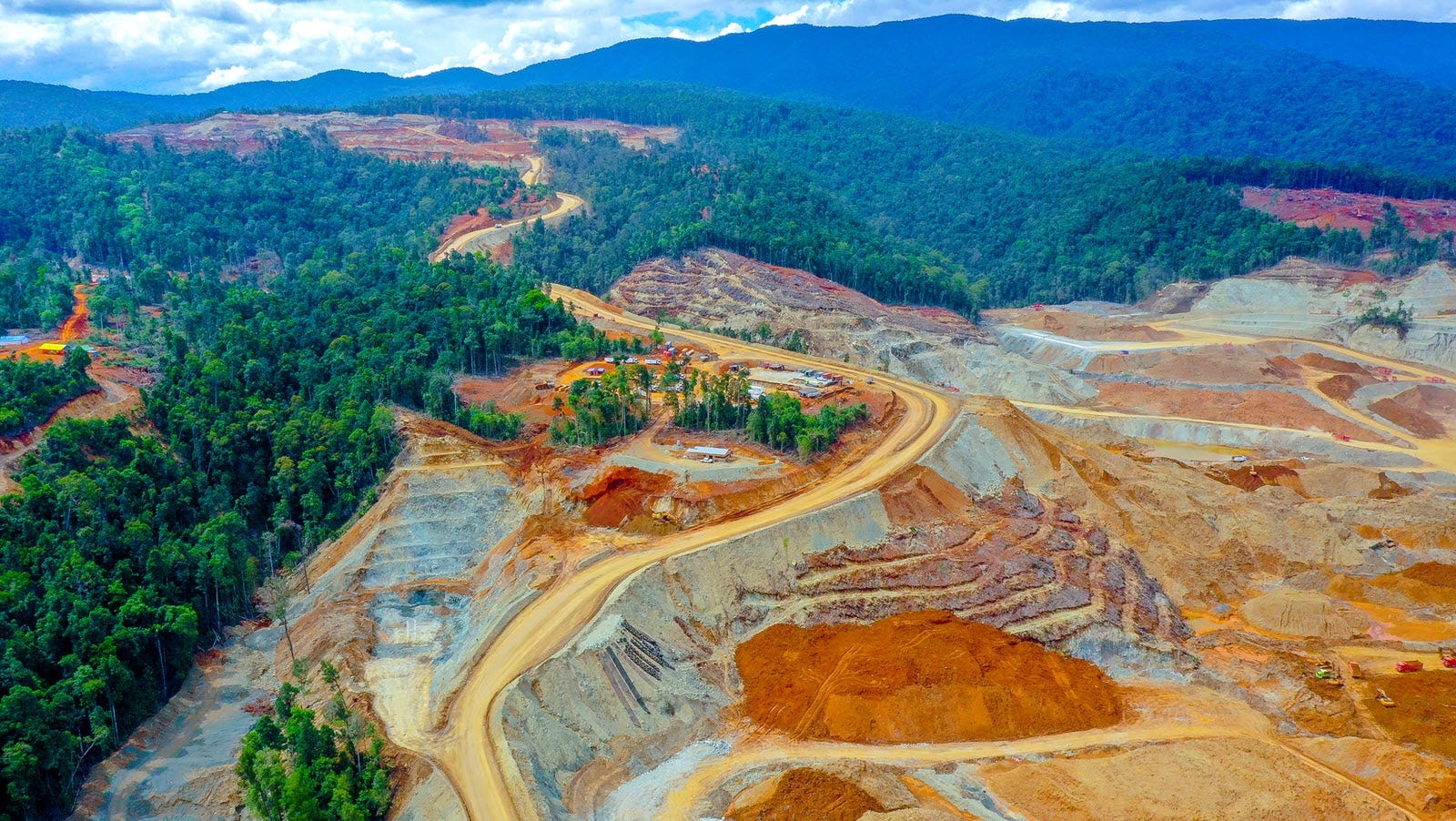
Unlike underground sulphide mines, laterite deposits sit near the surface and are cheap to extract via open-pit mining. The catch was always metallurgical: laterite nickel is tightly bound to iron and oxide minerals, making it difficult and energy-intensive to process into high-purity battery metal. Historically, laterites were only used to produce low-grade Nickel Pig Iron for the Chinese stainless steel market.
That boundary evaporated through two forces:
Massive Chinese Capital: Companies like Tsingshan poured billions of dollars into building integrated industrial parks in Indonesia (such as Morowali), installing vast fleets of captive, cheap coal-fired power plants.
The Scale-up of HPAL: Chinese engineers successfully stabilized High-Pressure Acid Leach (HPAL) technology at a massive scale. HPAL utilizes extreme heat, pressure, and massive volumes of sulphuric acid to dissolve low-grade laterite ore and extract a high-purity intermediate product called Mixed Hydroxide Precipitate (MHP), which can then be converted into battery-grade nickel chemical (nickelsulfat).
The Market Flood and Western Capital Starvation
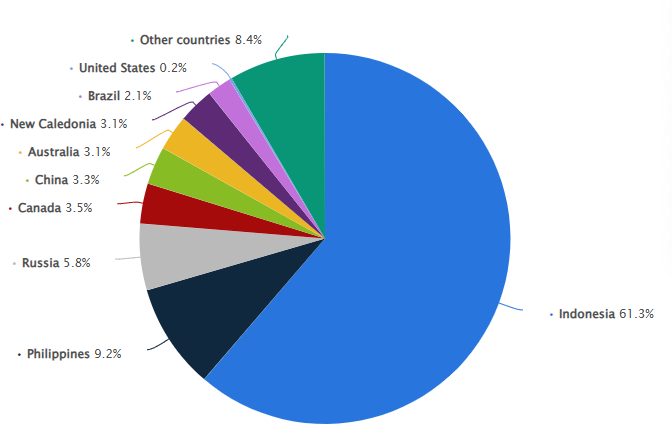
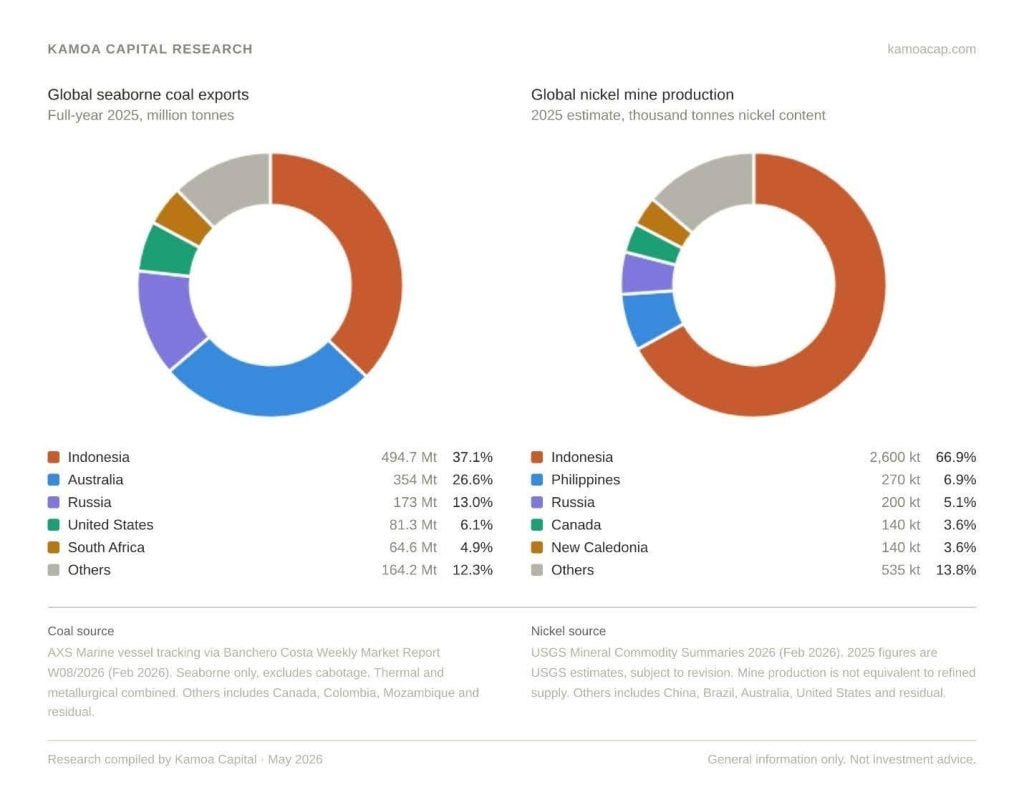
The result was a textbook “race to the bottom.” Indonesia’s rapid supply expansion grew so aggressively that tthe country came to command over 60% of the entire global nickel mining supply
By flooding the market with low-cost, subsidized marginal tons, Indonesia artificially depressed global nickel prices during the 2023–2025 cycle. This long pricing trough had a devastating effect on the rest of the world. Traditional Tier 1 producers in Australia, Europe, and North America (who operate under strict environmental regulations, higher labor costs, and without access to cheap coal-fired power) found themselves completely uncompetitive.
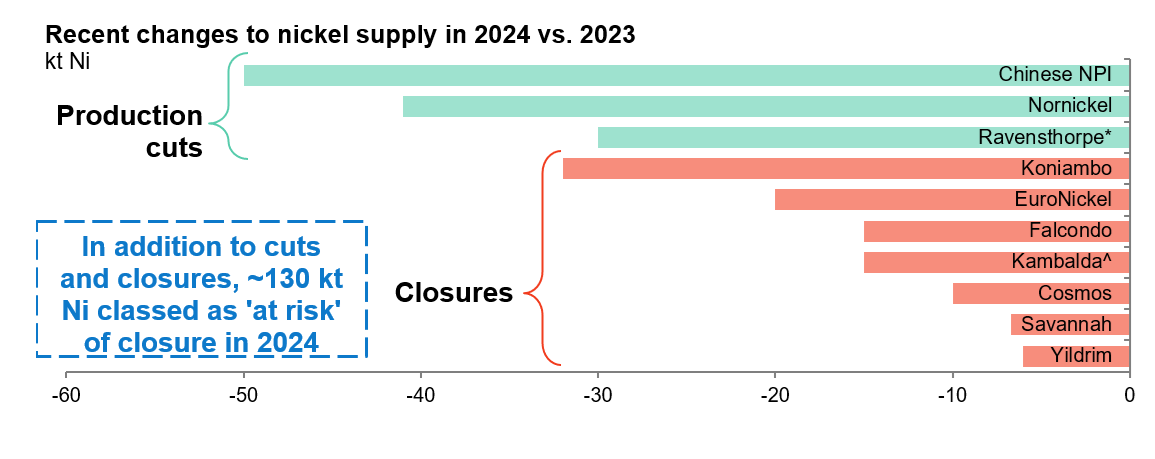
Dozens of western mines were forced into care-and-maintenance or outright bankruptcy. Exploration budgets were slashed, and institutional capital completely fled the sector. The market operated on a singular assumption: Indonesia would always provide an endless, hyper-cheap floor of nickel supply, and western projects simply weren’t needed.
As we look at the market today in mid-2026, that assumption is being severely tested. The aggressive extraction has left the Western world in a vulnerable position, completely dependent on a highly centralized supply chain just as Jakarta begins to alter the rules of the game.
Chapter 2: “Septembergate” and the New State Monopoly
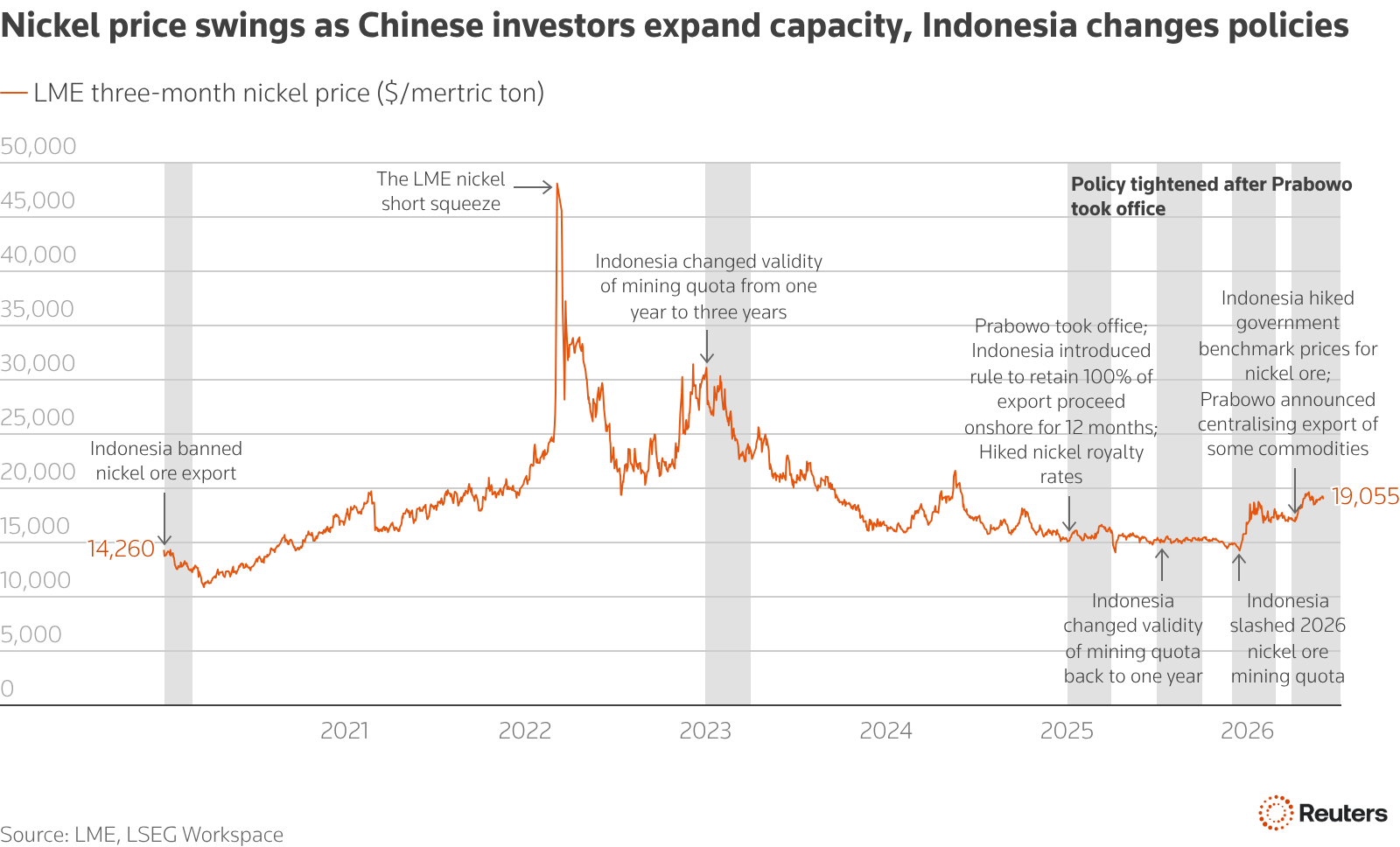
The long-held assumption of a frictionless, cheap Indonesian nickel supply was fundamentally disrupted in late May 2026, when President Prabowo Subianto announced a sweeping shift toward aggressive resource nationalism. This structural pivot is being codified through a new export framework that starts with mandatory reporting to PT Danantara Sumberdaya Indonesia (DSI) from June 1, 2026, and transitions toward centralized state control over key commodity exports through 2027.2
The market had largely anticipated that any major overhaul of Indonesia’s export regime would be delayed until January 2027. However, the freshly enacted regulation advanced the implementation date to September 1, 2026; a sudden, four-month acceleration that has caught global supply chains entirely off guard, earning the moniker “Septembergate” among traders and analysts.
Officially, Jakarta has framed June 1–August 31, 2026 as a transition window in which exporters continue to ship via existing logistics channels but are required to report all sales to DSI through the CEISA 4.0 customs platform, ahead of the entity taking over commercial execution.
The Mechanisms of PT Danantara (DSI)
From September 1, 2026, PT Danantara Sumberdaya Indonesia (DSI) is slated to become the sole exporter of record for key commodities such as coal, palm oil and ferroalloys, with nickel widely expected to follow. Private producers will continue to mine and sell into the system, but export contracts, invoicing and foreign‑exchange flows are increasingly routed through DSI as the centralized clearing house.
Jakarta’s decision is designed to achieve three specific economic objectives:
Eradicating Transfer Pricing: Historically, foreign mining operators (predominantly Chinese joint ventures) and international trading houses managed transactions via offshore accounting books in hubs like Singapore and Geneva. By utilizing internal, deeply discounted contracts, they minimized local taxable income. DSI’s centralized mandate forces all transactions to be registered openly at official international market benchmarks.
Mandatory Capital Repatriation: The new regulation dictates that 100% of all commodity export revenues must be routed directly into Indonesian state-owned banking institutions. This moves the financial liquidity from foreign bank accounts into the domestic monetary system.
Contractual Reviews: The government has granted itself the authority to review and potentially tear up long-term supply agreements that value commodities below prevailing global market rates.
Chinese Investors and the Search for Alternatives
This regulatory pivot represents an institutional shock for the Chinese entities responsible for financing Indonesia’s nickel boom. For nearly a decade, Chinese capital operated with a high degree of vertical autonomy, processing domestic laterite ore into intermediate metals and shipping them back to China under tightly controlled internal pricing structures.
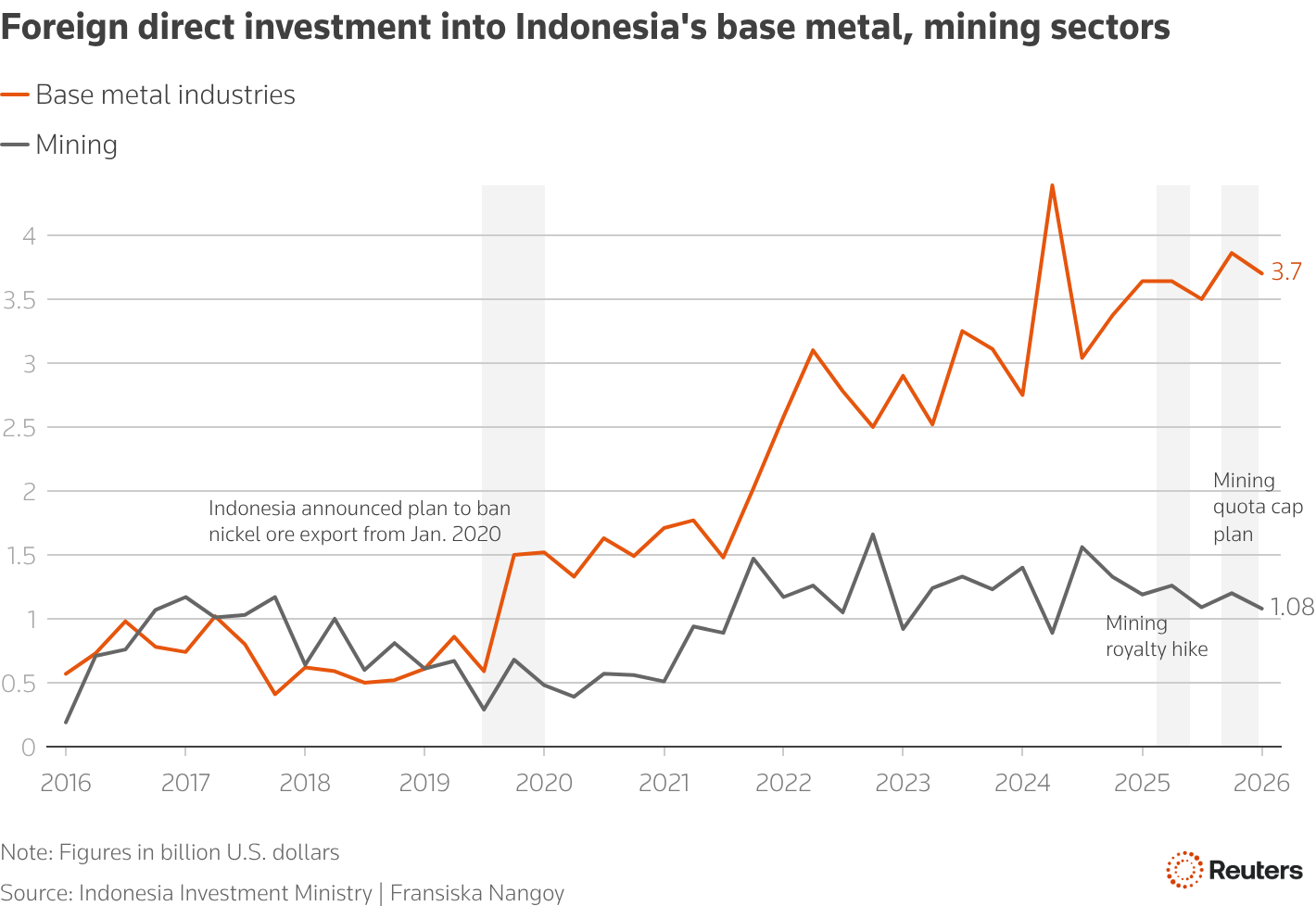
Jakarta’s approach has been methodical, not impulsive. First, the 2014 raw ore export ban forced Chinese capital off the sidelines and into building smelters on Indonesian soil; transferring industrial infrastructure to the country at Chinese expense. Once that capacity was built and Jakarta held the physical assets, the government progressively tightened the screws: mining quotas were introduced, royalty rates were raised, and environmental enforcement was weaponized selectively. Now, with DSI installed as a mandatory middleman, Chinese operators face immediate margin compression, heightened regulatory oversight, and sovereign compliance risks; at precisely the moment when they can no longer walk away without abandoning the billions they already sunk into the country.
Reports now confirm that Tsingshan is scouting a major laterite development in Madagascar, while Lygend Resources is evaluating Tanzania and eyeing a potential restart of the Koniambo operation in New Caledonia.
This is not a retreat; it is the same opening playbook China ran in Indonesia a decade ago: arrive with cheap capital, build the infrastructure a resource-rich but capital-poor country cannot build itself, and scale production aggressively to serve Chinese domestic demand regardless of what it does to the host country’s treasury or long-term mine economics. Jakarta recognized the arrangement and methodically reversed it. The fact that Chinese capital is now replicating the exact same move in Africa is the clearest possible signal that Indonesia has succeeded in pushing them out and that Jakarta will now optimize for price, not volume.
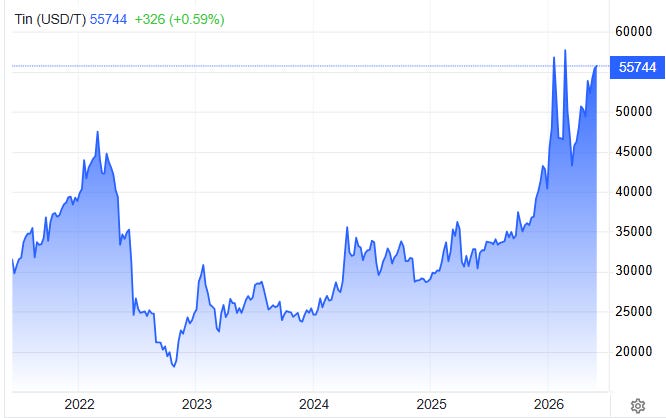
Commodity markets have seen this script before. The tin market offers a direct precedent: both Myanmar and Indonesia spent years tolerating informal extraction to service Chinese smelters, suppressing prices in the process. When Myanmar banned mining from its Wa State in August 2023, tin spiked over 10% overnight. When Indonesia cracked down on illegal tin mining in late 2025, the metal surged over 40% on the LME for the year. In both cases, the transition from volume maximization to price optimization produced violent upside once supply discipline was enforced. The nickel market is now approaching the same inflection point.

Chapter 3: Operational Friction vs. Market Pragmatism
While the geopolitical intent behind the creation of DSI is clear, the execution of such a sweeping mandate introduces profound operational risks. The global commodity market is currently weighing two divergent scenarios: a severe near-term supply disruption caused by bureaucratic bottlenecks, or a pragmatic, politically managed transition that keeps the metal flowing.
The $31 Billion Liquidity Gap
The most immediate challenge facing DSI is financial capacity. Operating as a centralized clearing house means the state entity must sit between local miners and international buyers. Analysts point out that managing Indonesia’s massive seaborne commodity flows requires an immense amount of rolling working capital. To keep the domestic supply chain functioning, DSI needs to pay miners upon delivery before overseas buyers settle their accounts.
For the coal export sector alone, this rolling capital requirement is estimated at roughly US$31 billion; a balance sheet capacity that DSI, as a newly formed entity with no trading track record, does not currently possess. If DSI cannot provide immediate liquidity to local producers, smaller mining operations may be forced to curtail output simply to manage their own cash flows.
Logistical Constraints and the Blending Bottleneck
Beyond the financial hurdle lies a steep physical and logistical challenge. Commodities like coal and nickel laterite are not uniform raw materials; they are highly variable. International smelters and power plants in China, Japan, and India require highly specific chemical blends regarding grade, moisture content, and impurities to protect their equipment and optimize processing.
Historically, private international trading houses managed this complex blending process at dedicated port terminals. DSI currently lacks both the specialized physical infrastructure and the technical expertise to handle large-scale blending and quality control. Forcing millions of tons of mineral exports through a singular, unproven state bottleneck starting September 1, 2026, creates a high probability of administrative and physical delays at Indonesian ports.
The Sulfuric Acid
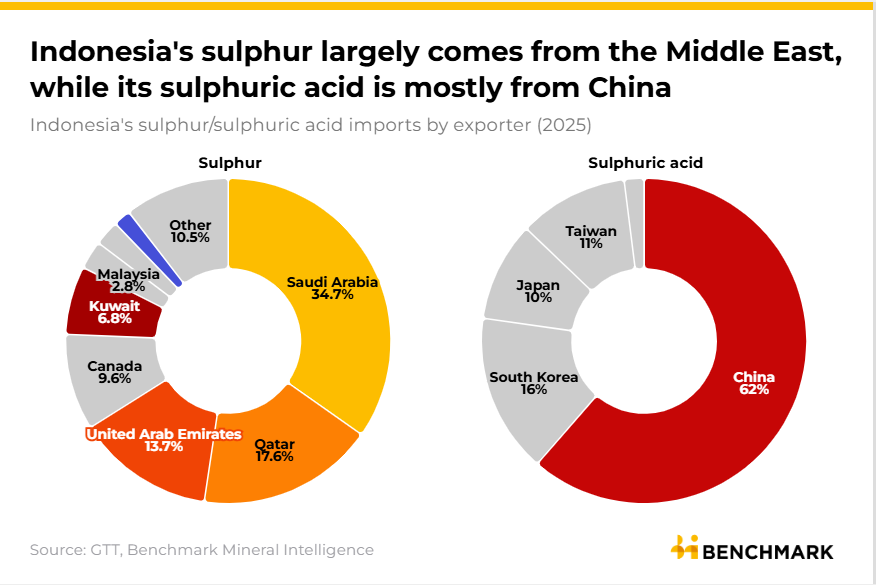
Compounding the regulatory friction is an external chemical supply shock that threatens Indonesia’s high-growth nickel segment. Indonesia’s dominant High-Pressure Acid Leach (HPAL) plants, which process low-grade laterite into battery-grade Mixed Hydroxide Precipitate (MHP), are entirely dependent on vast quantities of cheap sulfuric acid.
Two simultaneous events have severely tightened this market:
China’s April 2026 decision to comprehensively restrict exports of smelter by‑product sulfuric acid from May 1 onward.
Continued maritime blockades in the Strait of Hormuz, which have disrupted global sulfur trading routes.
As millions of tons of sulfur are removed from the global market, Indonesian HPAL operations face escalating input costs. Even if DSI manages the export transition smoothly, the structural cheapness of Indonesian battery-grade nickel is being squeezed from the bottom up by these chemical shortages.
The Counter-Case for Pragmatism
To maintain a balanced outlook, investors must also consider the counter-argument: market pragmatism. China is the primary destination for Indonesian nickel, consuming the vast majority of its output. Given the deep economic ties and the billions in state-backed Chinese capital embedded in Indonesian industrial parks, neither Jakarta nor Beijing can afford a prolonged, chaotic halt in trade.
It remains entirely possible that the Prabowo administration will implement a tiered rollout. Behind-the-scenes political compromises could grant temporary export waivers or fast-track clearing mechanisms to the largest, most critical joint-venture operations. If pragmatic workarounds are established, the physical flow of nickel might experience only minor, temporary hiccups rather than a structural freeze.
What is no longer speculative is the immediate bite of the quota regime: Weda Bay Nickel, which produced 42 million wet metric tons in 2025 and supplied roughly a third of the entire Indonesia Weda Bay Industrial Park's ore feed, has already halted production after exhausting its 2026 quota of just 12 million tons; a 70% cut. The operation's CEO has publicly warned that without an extension, the park faces a deficit of 30 million tons and will be forced to import ore from the Philippines at materially higher cost. Jakarta's supply discipline, in other words, is not a future threat; it is already producing real disruption today.
Weda Bay is not an isolated case. FINI, Indonesia's national nickel smelter association, has confirmed that capacity utilization across the country's RKEF smelter fleet has already fallen from 84% in 2025 to 76% today, with some production lines in South and Central Sulawesi running at below 50% capacity. Total ore demand from Indonesian smelters stands at 340–350 million tons for 2026; the government has allocated just 260–270 million tons. That is a structural ore deficit of roughly 80 million tons baked into the system before DSI has processed a single export contract.
The structural supply shock is already here. But knowing the macro is only half the equation.
In the sections below, i write about:
The North American supply vacuum
Why Western sulphide projects are structurally insulated from everything happening in Jakarta
The IRA and FEOC firewall; and which supply chains it quietly disqualifies
Two advanced projects sitting directly on the right side of the geopolitical divide
A full breakdown of our modeled cash flow and valuation for each name
The exact production catalysts we are watching in H2 2026 and what triggers a re-rating
The key market indicators we are monitoring heading into September
This is where the trade is.